
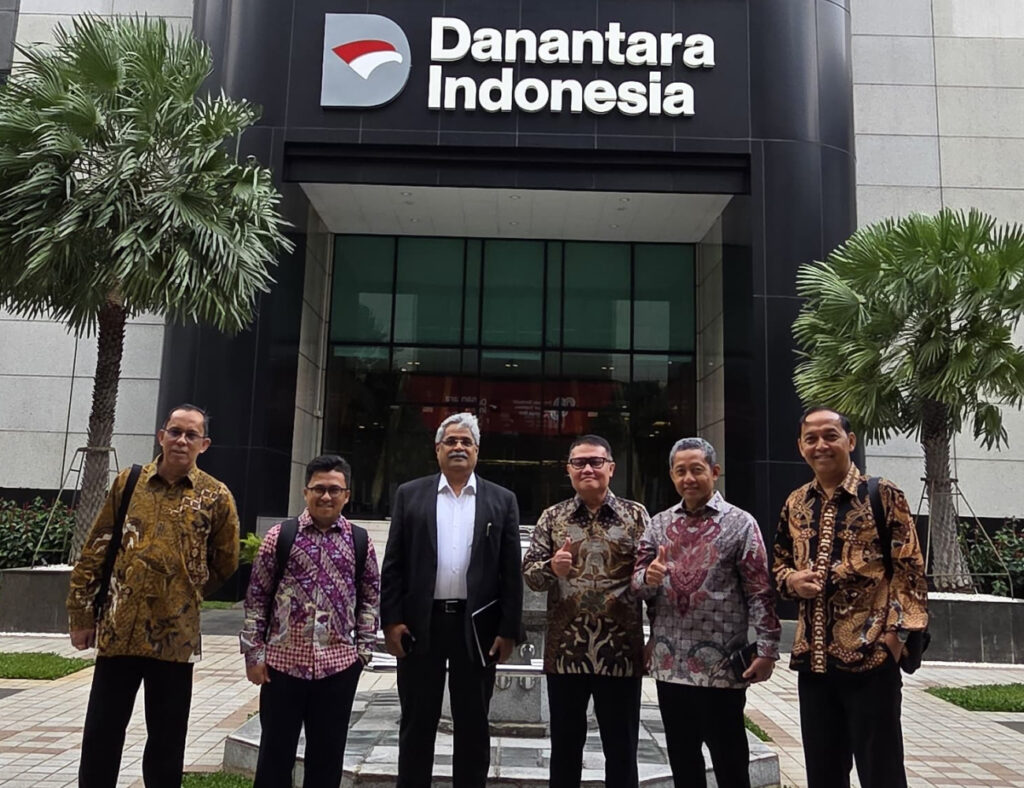
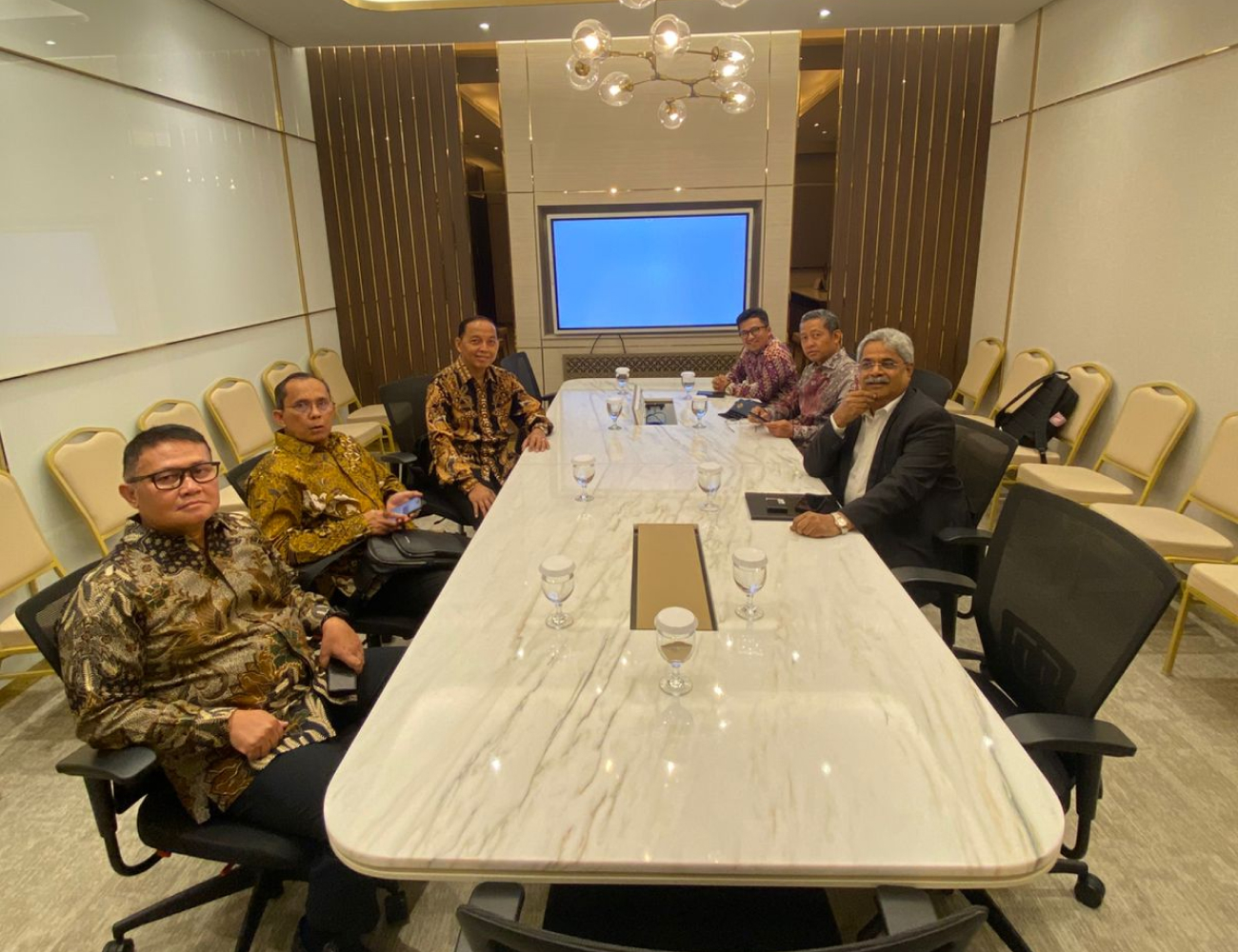
On Wednesday, February 4, 2026, a high-level coordination meeting took place at Danantara Indonesia. The focal point of this gathering was a comprehensive Insulin Presentation delivered by international experts and attended by Indonesia’s strategic industrial leaders. This session serves as the primary blueprint for how Indonesia will navigate the complex world of biotechnology and pharmaceutical self-sufficiency in the coming decade.
The delegation featured a synergy of global technology providers: Mr. Dirk and Mr. Marella from Glatt, along with Mrs. Ale Lutz from Hermes. On the host side, the session was scrutinized by Mr. Rulit, Mr. Tri, Mr. Djoko, Mr. Arkamelvi, and Mr. Arsyad from EGI Resources representing the core leadership driving Indonesia’s industrial transformation.
Why the Insulin Presentation is a National Priority
The Insulin Presentation held at Danantara is not merely a corporate briefing; it is a direct response to a national health challenge. Diabetes prevalence in Indonesia is climbing annually, yet the vast majority of insulin products used by Indonesian patients remain imported.
By focusing on this Insulin Presentation, stakeholders are addressing three critical pillars:
1. Technology Identification
Determining the specific bioreactor and purification equipment missing in local factories.
2. Cost Efficiency
Analyzing how localized production can lower the price per unit for the national healthcare system.
3. Supply Chain Sovereignty
Ensuring that global logistics bottlenecks do not prevent patients from receiving life-saving doses.
Engineering Insights from Glatt: Mr. Dirk & Mr. Marella
During the Insulin Presentation, Mr. Dirk and Mr. Marella from Glatt provided deep technical insights into “Integrated Process Solutions.” Glatt is a world leader in pharmaceutical engineering, and their contribution focused on the transition from lab-scale prototypes to industrial-scale manufacturing.
Upstream Excellence
The presentation detailed the cultivation of recombinant organisms. Because insulin is a biologic, it requires bioreactors that can maintain perfect homeostasis. Mr. Dirk explained how Glatt’s technology ensures that the E. coli or yeast cells used in production reach maximum density, thereby increasing the yield of the insulin precursor.
Downstream Recovery
Mr. Marella highlighted the purification process. In the Insulin Presentation, he demonstrated how advanced filtration and chromatography systems can isolate the insulin protein with near-perfect purity. This is arguably the most complex stage of the process, and Glatt’s participation ensures that Indonesia adopts the most efficient methods available in 2026.
Formulation and Delivery: Mrs. Ale Lutz from Hermes
A significant portion of the Insulin Presentation was dedicated to the final form of the medicine. Mrs. Ale Lutz, representing Hermes, shifted the focus toward patient-centric technology. Producing bulk insulin is a feat of engineering, but formulating it for stability and ease of use is a feat of pharmaceutical science.
Mrs. Lutz’s segment of the Insulin Presentation covered:
1. Advanced Delivery Systems
The shift from traditional vials to modern, high-precision insulin pens.
2. Bioavailability Improvements
Ensuring the insulin is absorbed at the correct rate by the human body for maximum efficacy.
3. Thermal Stability
How Hermes technology helps insulin remain stable in Indonesia’s tropical climate without rapid degradation.
The Strategic Role of Danantara Indonesia
Hosting the Insulin Presentation at Danantara Indonesia is a deliberate strategic choice. As a hub for national industrial development, Danantara acts as the catalyst for collaboration between the government, private sector, and international technology partners.
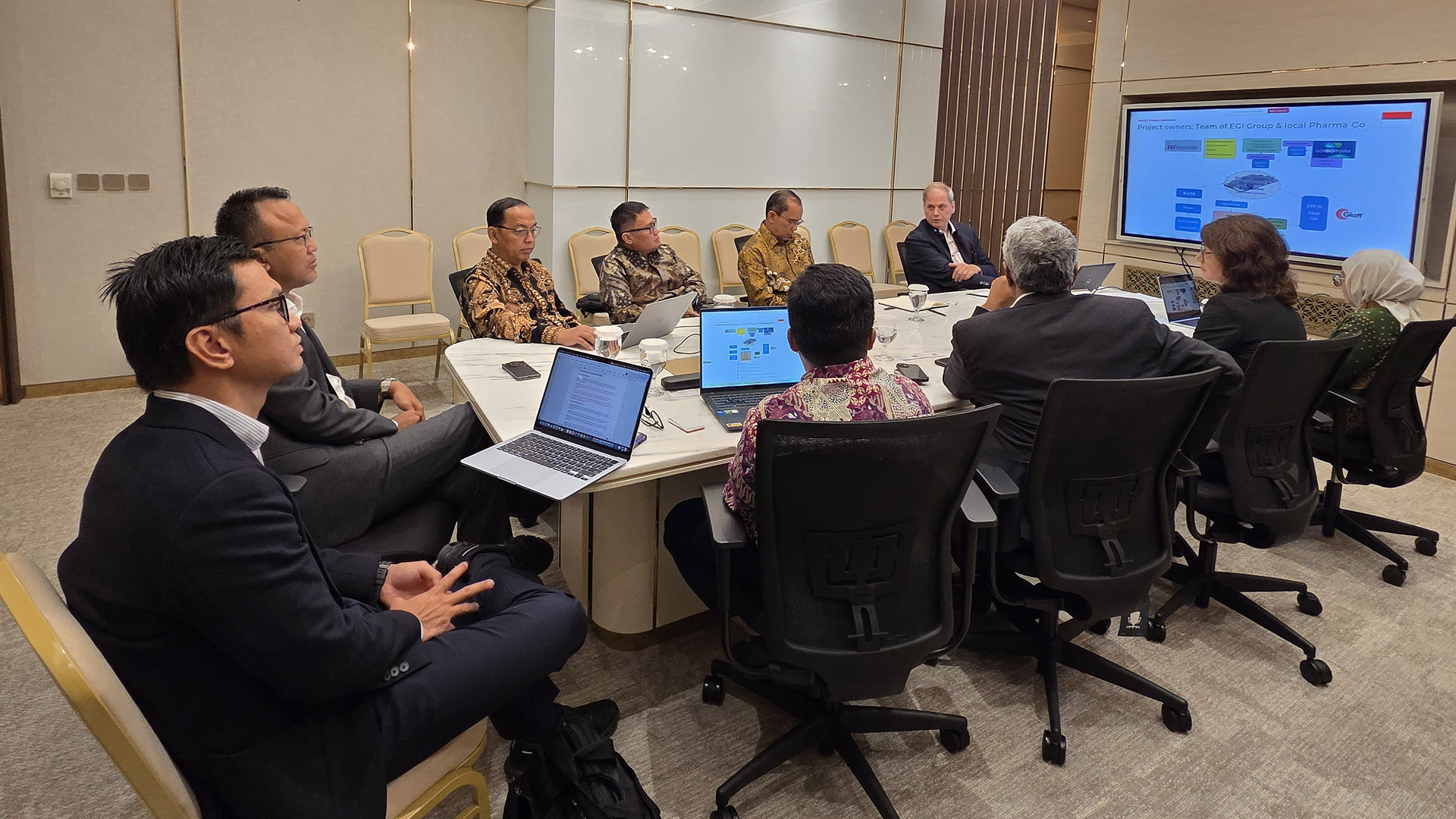
The presence of Mr. Rulit, Mr. Tri, Mr. Djoko, Mr. Arkamelvi, and Mr. Arsyad underscores the multidisciplinary approach required. Each leader brings a specific lens to the Insulin Presentation:
1. Investment & Feasibility
Mr. Rulit and Mr. Tri are evaluating the financial viability of establishing a dedicated national insulin plant.
2. Technical Integration
Mr. Djoko and Mr. Arkamelvi are assessing how these technologies fit into existing Indonesian manufacturing footprints.
3. Regulatory Compliance
Mr. Arsyad is focusing on the roadmap for BPOM (Indonesian FDA) approval and international WHO standards.
Detailed Breakdown of the Insulin Production Lifecycle
To understand the depth of the Insulin Presentation, one must look at the complexity of the lifecycle presented by the Glatt and Hermes teams. The production is divided into several high-tech stages:
Stage A: Genetic Engineering & Cell Banking
The process begins with the insertion of the human insulin gene into a host cell. The Insulin Presentation emphasized the need for Indonesia to develop or license these genetic platforms to ensure long-term independence from foreign suppliers.
Stage B: Large-Scale Fermentation
Using Glatt’s bioreactors, the cells are grown in massive tanks. This requires sterile air, precise nutrient feeds, and constant monitoring. The presentation showed how AI-driven sensors can now predict harvest times to maximize protein output.
Stage C: Folding and Purification
Insulin produced by bacteria is initially “inactive.” It must be chemically “refolded” into the correct three-dimensional shape. The Insulin Presentation at Danantara went into great detail about the chemical buffers and precision timing required for this delicate biological process.
Stage D: Final Fill and Finish
This is the final stage where Hermes’ expertise becomes vital. The insulin is filled into cartridges or pens under Grade A sterile conditions. Any minor error here could lead to contamination, making this the most high-risk part of the entire facility’s operation.
The health of millions of diabetic patients in the archipelago depends on the successful execution of the technologies discussed in this Insulin Presentation. As we move forward, the synergy between global innovation and local leadership will be the key to ensuring that life-saving medicine is affordable and accessible to every Indonesian citizen.